Spoiler-free book guide
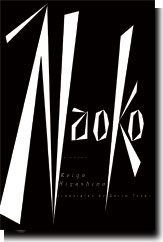
Naoko
秘密 · Himitsu · 1998
Quick verdict: A self-contained psychological novel for readers more interested in grief, identity and family boundaries than police procedure.
- Translated by
- Kerim Yasar
- Series position
- No series order required
- Best starting point?
- Yes — no prerequisites

Make the reading decision
Who should read Naoko?
Best for
- Standalone-first readers
- Domestic psychological fiction
- Readers interested in identity and mourning
Reading experience
The premise is speculative, but the reading experience is intimate and domestic. Its tension comes from how a family attempts to live with an impossible change, not from solving a conventional crime.
Spoiler-free setup
After a bus accident, Heisuke’s wife dies while their daughter survives. When the girl awakens, she appears to carry her mother’s personality, forcing the household to negotiate grief, secrecy and identity.
Work and edition facts
Where it fits—and which edition is verified
- Japanese title
- 秘密
- Romanization
- Himitsu
- Original publication
- Japan, 1998
- Series
- Standalone novels
- Japanese position
- Standalone novel
- English position
- No series order required
Naoko does not belong to the Galileo or Kaga series.
United States
Vertical published the English translation in 2004; the verified edition is 288 pages.
Verified ISBN: 978-1-932234-07-1
United Kingdom
No distinct UK publisher edition is verified in the current project source set. Imported listings may refer to the U.S. Vertical edition.
Cultural bridge
The title across markets
The Japanese title 秘密 means “secret.” The English novel was retitled Naoko, while the verified 1999 Japanese film is titled Himitsu (Secret). “The Secret” is therefore an adaptation title or translation of the Japanese title—not a second English Higashino novel.
Reader discourse, synthesized
What readers tend to discuss
Editorial synthesis of recurring reader questions; no rating or universal reaction is claimed.
- Reader discussion tends to divide around the moral and emotional implications of the premise rather than its plausibility.
- Many readers approach it expecting a mystery and find a domestic identity story instead.
- The title difference repeatedly causes search confusion, especially when readers move between the novel and the 1999 film.
Verified screen connection
Himitsu (Secret), 1999
The verified Japanese film adapts the same novel published in English as Naoko. The titles differ, but they refer to one underlying work.
Legal availability
Find the verified English book
The retailer link is currently a title search, not a format-specific affiliate link. Use the Vertical publisher record, translator and ISBN to avoid confusing the novel with a screen edition.
As an Amazon Associate I earn from qualifying purchases. Amazon links below are paid links. Recommendations are editorial and are not ranked by commission.
Check current Amazon listingQuick answers
Naoko FAQ
Are Naoko and The Secret the same book?
Naoko is the official English book title used by Vertical. Himitsu means Secret and is also the title of the 1999 Japanese film; this site does not count them as two novels.
Is Naoko a mystery novel?
It uses an impossible premise and concealed identity, but its center of gravity is psychological and domestic rather than a police investigation.
Is Naoko part of a series?
No. It is a standalone novel.
Does the page discuss the ending?
No. This guide stays spoiler-free.
Verification record
Sources
- Bungeishunju original editionPublisher · Japanese title, original date, ISBN and length
- WorldCat English edition recordPublisher · 2004 U.S. edition and translator; bibliographic record
- TBS film listingOfficial screen source · 1999 Himitsu film and principal credits
Last verified: . Publisher and official screen sources support facts; reader discussion is used only for clearly labeled synthesis.